For heavy vehicle workshops, brake testing is not only about preparing a vehicle for its next Certificate of Fitness (COF) inspection. Having accurate brake performance information available within the workshop can also help technicians make better maintenance decisions, identify problems more precisely and confirm that repairs or adjustments have achieved the required result.
A recent EquipSpecs installation demonstrates how bringing roller brake testing in-house can work in practice.
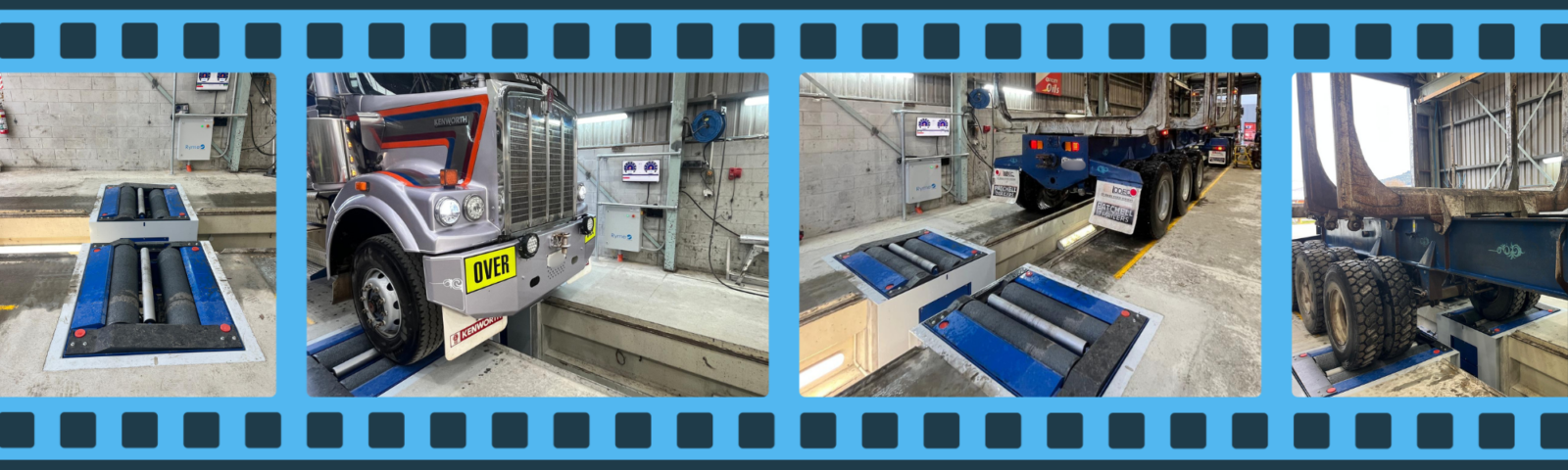
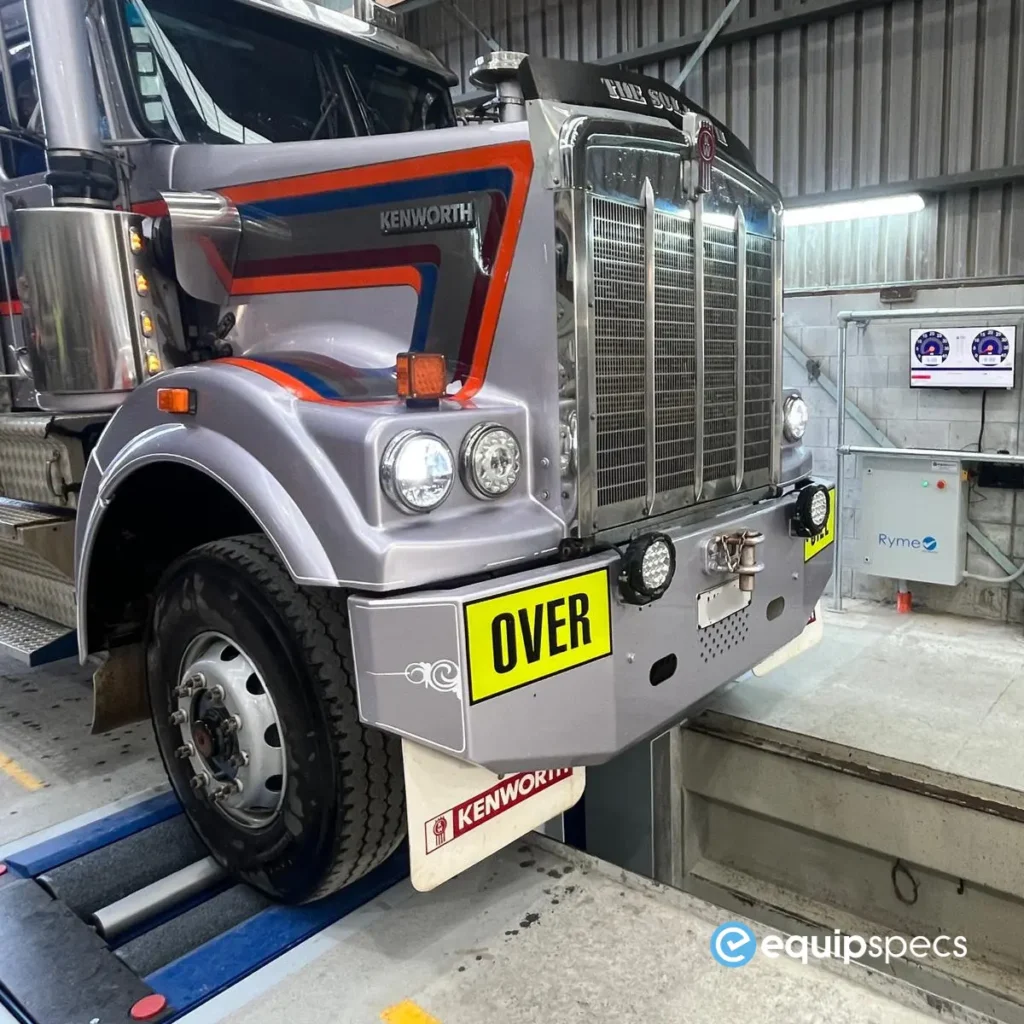
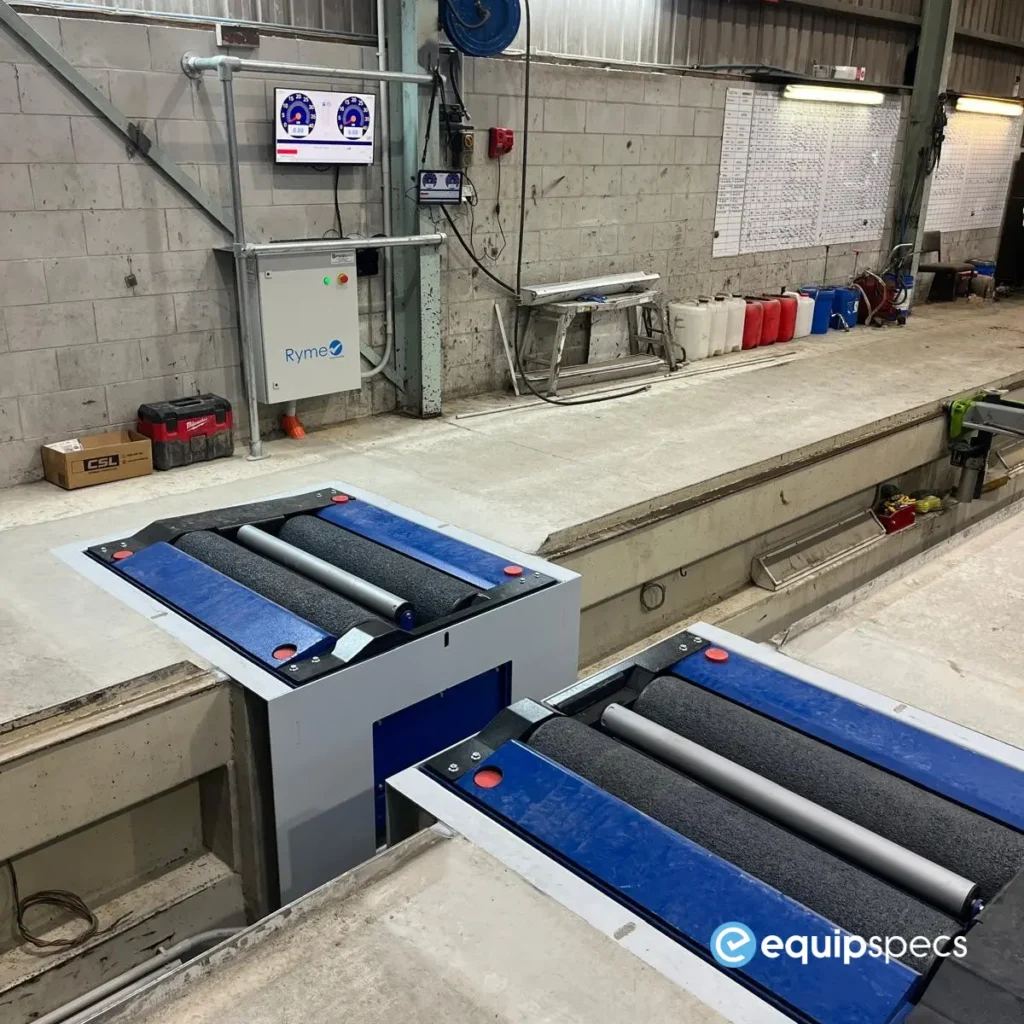
Operating a substantial fleet of on-road and off-highway truck and trailer combinations, the customer wanted greater control over brake testing within its own workshop. EquipSpecs retrofitted a Ryme Worldwide FRU 4 heavy vehicle roller brake tester into the workshop’s existing inspection pit, creating an in-house testing and maintenance facility designed around the way its fleet operates.
The project demonstrates some of the wider benefits that workshop brake testing can provide — from more accurate fault diagnosis to reduced downtime and better-informed brake maintenance.
Moving from Brake Adjustment to Measured Brake Performance
Without access to a roller brake tester, technicians can inspect and adjust braking components, but they have less objective information about how the complete braking system is actually performing.
Issues such as over-adjustment can contribute to brake drag and unnecessary wear, with increased rolling resistance also potentially contributing to higher fuel consumption.
Installing a roller brake tester gives the workshop another level of information.
Rather than relying predominantly on mechanical inspection, adjustment and road behaviour, technicians can test the vehicle and work from measured brake-performance data.
The Ryme Worldwide FRU 4 provides measured data including braking force, rolling resistance and braking performance. This gives technicians objective information that can help identify differences in braking performance and direct further inspection or maintenance.
For a workshop maintaining a large working fleet, that information can turn brake maintenance into a much more targeted process.
Test, Inspect, Repair and Retest in the Workshop
One of the practical advantages of bringing roller brake testing in-house is the ability to incorporate testing directly into the workshop maintenance process.
When a test identifies an area requiring attention, technicians have measured brake performance information to help guide further inspection. The relevant components can then be inspected from the workshop pit and any necessary adjustment or repair carried out.
Once the work is complete, the vehicle can be returned to the rollers and tested again, allowing technicians to confirm the effect of the repair or adjustment without sending the vehicle elsewhere for further testing.
This ability to test, diagnose, repair and retest in-house can make fault-finding more efficient and substantially reduce the guesswork involved in brake maintenance. Technicians have objective brake performance data available throughout the process, helping them make more targeted maintenance decisions while keeping the vehicle within the workshop.
Using Brake Test Data for Better Maintenance Decisions
The value of an in-house brake tester extends beyond identifying an immediate fault.
Regular testing gives a workshop the opportunity to build brake performance into its preventative maintenance programme.
A vehicle can be tested during scheduled maintenance, after brake work or whenever its braking performance is in question. Testing can also be repeated as required, allowing technicians to compare performance before and after work has been completed.
For fleet operators, this creates a useful history of measured brake performance rather than relying solely on the result of a test conducted at a particular point in the vehicle’s inspection cycle.
Problems may also be identified before they become apparent to the driver or develop into larger maintenance issues.
The result is a more proactive approach to brake maintenance, with decisions based on measured performance rather than waiting for a problem to become apparent or for the vehicle’s next external inspection.
Why the FRU 4 Was Selected
The Ryme Worldwide FRU 4 was well suited to this installation because of the size and operating requirements of the customer’s fleet.
Designed for heavy vehicles with axle loads of up to 20 tonnes, the FRU 4 provides the capacity required for demanding truck and trailer applications.
For this project, the brake tester was supplied with integrated lifting-bed load simulation, together with a wall-mounted control cabinet, tablet and display screen.
This configuration provided the heavy-duty capacity and testing capability required for the customer’s mix of on-road and off-highway vehicles.
Combined with its heavy-duty construction and suitability for a high-throughput workshop environment, the FRU 4 provided a permanent in-ground solution that could be incorporated into the customer’s existing facility.
Retrofitting a Brake Tester into an Existing Inspection Pit
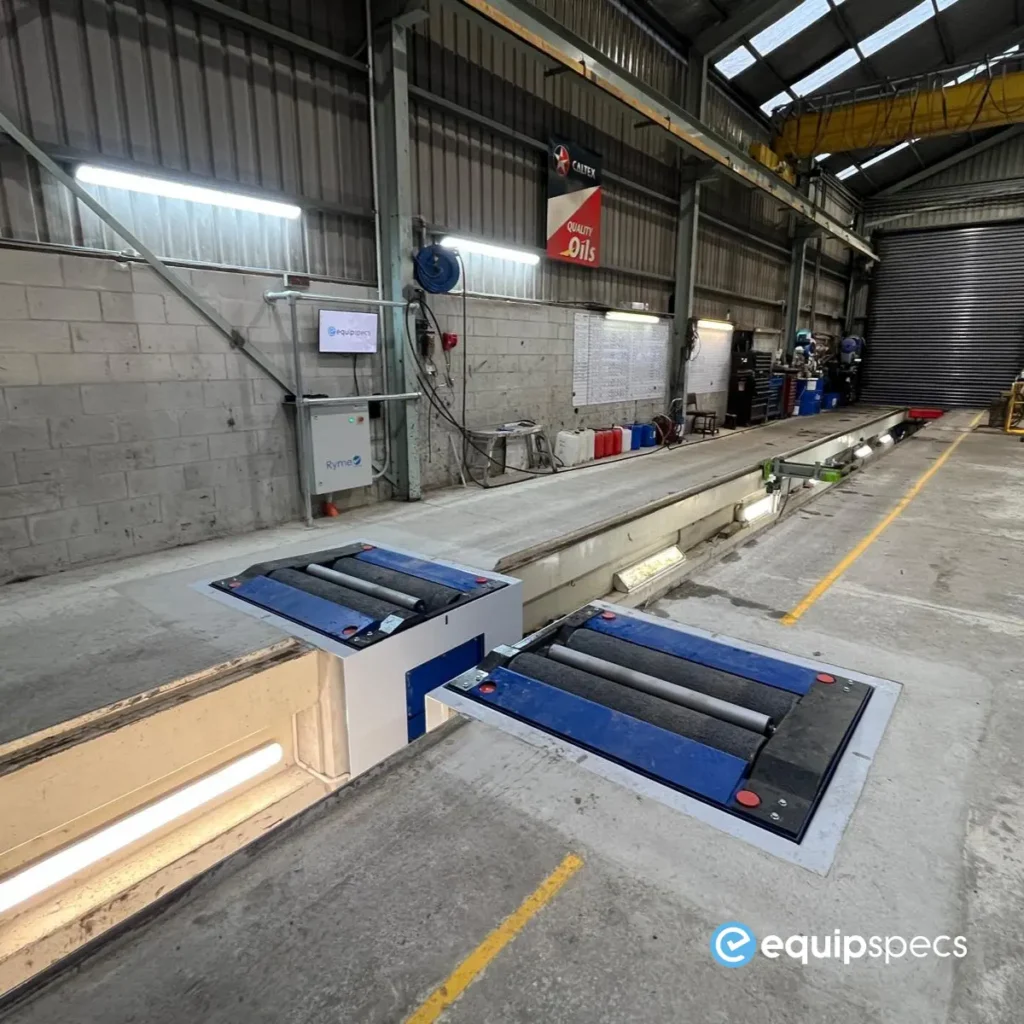
In this recent installation, EquipSpecs incorporated the FRU 4 into the customer’s existing inspection pit.
The project was handled as a complete turnkey installation, with EquipSpecs managing the process from planning and civil works through to installation, electrical and hydraulic requirements, commissioning, calibration and operator training.
A co-ordinated approach is particularly valuable when retrofitting equipment into an operational workshop.
The brake tester itself is only one part of the installation. Pit dimensions, equipment positioning, concrete and structural requirements, services, access, and the way vehicles move through the workshop all need to work together.
By considering the brake tester as part of the complete workshop environment, the finished installation can be designed around how technicians will actually use the equipment day to day.
Workshop Brake Testing Beyond COF Preparation
For a fleet workshop, the value of an in-house roller brake tester can be much broader than a COF focus.
It provides technicians with objective brake performance data when they need it. It can help identify where further investigation is required, support more precise maintenance decisions and allow the results of repairs to be checked immediately.
Over time, regular testing can also provide a clearer picture of braking performance across the fleet and support a more proactive approach to vehicle maintenance.
For businesses operating a significant number of heavy vehicles, bringing that capability into the workshop can support more informed brake maintenance while helping keep vehicles properly maintained and on the road.
Considering an In-House Roller Brake Tester?
The right brake testing solution depends on the vehicles being maintained, axle loads, workshop layout, testing volumes and how the equipment will fit into the existing maintenance process.
For an existing facility, it is also important to establish whether a brake tester can be incorporated into the current inspection pit and what civil, electrical and hydraulic work will be required.
EquipSpecs supplies and installs Ryme Worldwide heavy vehicle roller brake testers throughout New Zealand and can manage the complete process, from initial workshop assessment and equipment selection through to installation, commissioning, calibration and operator training.
Considering bringing heavy vehicle brake testing in-house? Talk to EquipSpecs about your fleet, existing workshop and testing requirements, and we can help determine the right solution for your operation.