Modern vehicle workshops are under increasing pressure to carry out inspections efficiently while maintaining high diagnostic accuracy. Whether performing routine servicing, fleet maintenance, WOF inspections, or heavy vehicle COF inspections, technicians need to identify steering and suspension faults quickly, safely, and consistently.
Axle play detectors, commonly referred to as play detectors or shaker plates, allow technicians to apply controlled movement to a vehicle’s wheels while observing steering and suspension components under load conditions. The result is faster fault identification, improved inspection accuracy, and a more efficient inspection process overall.
For many workshops, axle play detectors have become an important part of modern vehicle inspection lanes and workshop diagnostic procedures.
What Is an Axle Play Detector?
An axle play detector is an electro-hydraulic testing system used to identify wear or looseness in steering and suspension components.
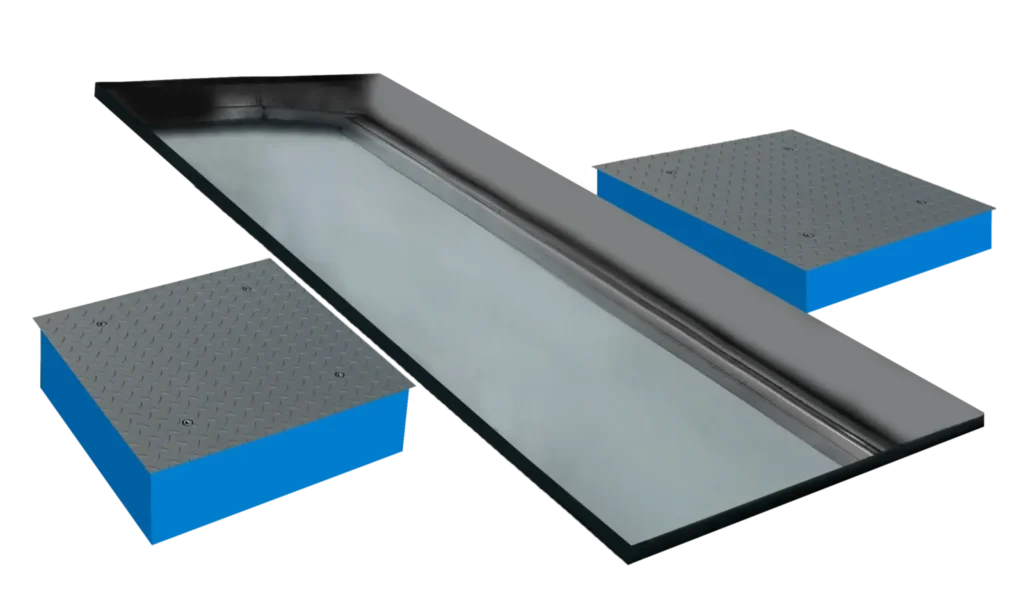
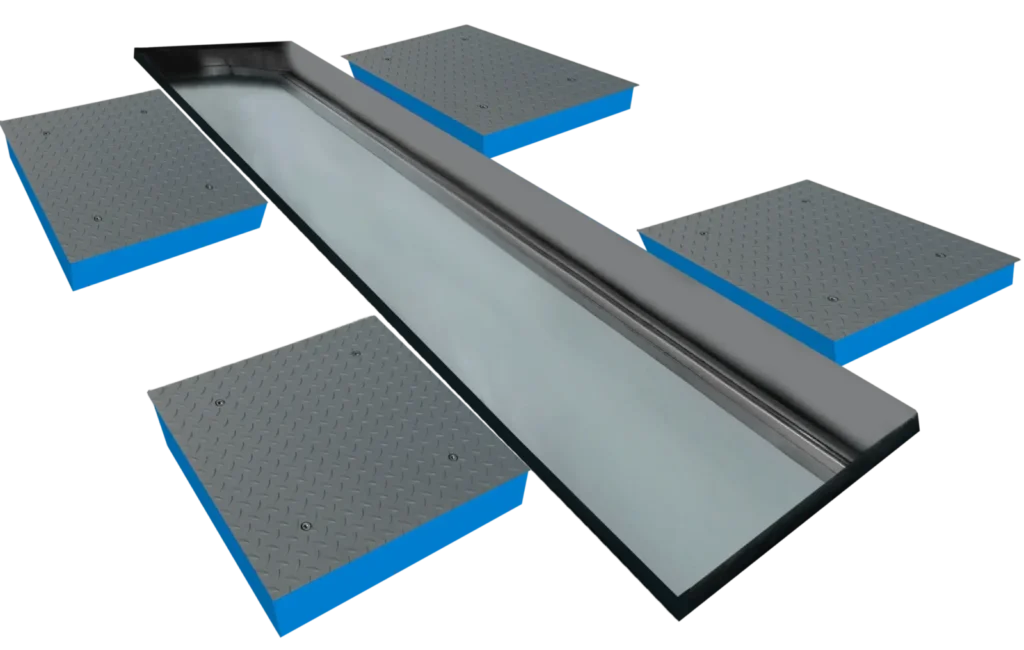
Installed flush with the workshop floor, the system applies controlled movement to the vehicle wheels to simulate the forces experienced during normal driving conditions. While the plates move, technicians can observe steering and suspension components either from the side or from below using an inspection pit.
These vantage points allow movement in components such as ball joints, suspension bushes, kingpins, steering linkages, wheel bearings, and track rod ends to be identified more easily during inspection.
Why Manual Suspension Checks Can Be Slow and Inconsistent
Traditionally, steering and suspension inspections often relied on technicians manually applying force to components using pry bars or crowbars while another technician observed movement underneath the vehicle.
While effective in some situations, this process can be:
- physically demanding
- time-consuming
- difficult to perform consistently
- requiring more than one person
In heavy vehicle workshops especially, manually applying enough force to large steering and suspension components can be difficult.
Axle play detectors simplify this process significantly by allowing controlled hydraulic movement to be applied directly through the wheels while the technician observes the inspection remotely.
This creates a more consistent and efficient inspection process while also reducing physical strain on technicians.
How Axle Play Detectors Improve Inspection Accuracy
One of the biggest advantages of axle play detectors is their ability to apply controlled movement under load conditions.
Rather than inspecting components in a completely static position, technicians can observe how steering and suspension systems behave while forces are being applied to the vehicle.
This movement makes it easier to identify:
- worn kingpins,
- deteriorated suspension bushes,
- movement in steering linkages,
- loose wheel bearings,
- worn ball joints,
- and excessive movement in track rod ends.
Because the technician can remotely control the test while directly observing component movement, faults can often be identified more quickly and accurately compared to manual inspection methods.
The result is a more reliable inspection process and improved diagnostic consistency between inspections.
Why Testing Under Load Matters
Some steering and suspension faults may only become visible when the vehicle is under load or movement is applied to the wheels.
By simulating laden driving forces, axle play detectors help technicians observe how components behave under realistic operating conditions.
This is particularly important in heavy vehicle applications where suspension and steering systems are subjected to significant loads during operation.
Testing under load conditions can help reveal movement that may not be obvious during static inspections alone.
How Axle Play Detectors Improve Workshop Efficiency
Beyond improving diagnostic accuracy, axle play detectors can also help workshops improve workflow efficiency eliminating the need for technicians to manually force components using pry bars or crowbars during every inspection.
This creates several practical workshop benefits:
- reduced physical strain on technicians,
- faster steering and suspension inspections,
- improved visibility during testing,
- one-person operation,
- and reduced re-checking caused by inconsistent manual testing.
In many cases, the technician can remotely operate the system while directly observing movement from the inspection pit, making the inspection process both faster and more accurate.
For workshops carrying out regular inspections, these efficiencies can make a significant difference to daily workflow and inspection consistency.
Light Vehicle and Heavy Vehicle Applications
Axle play detectors are available for both light vehicles and heavy commercial vehicles.
Light vehicle systems are commonly used in:
- WOF workshops,
- automotive service centres,
- and vehicle inspection facilities.
Heavy vehicle axle play detectors are designed for:
- COF inspection lanes,
- fleet maintenance facilities,
- transport workshops,
- and heavy vehicle service operations.
Heavy vehicle systems use reinforced hydraulic components and higher-capacity test plates designed to safely apply movement to vehicles with significantly higher axle loads.
Systems such as the Ryme Worldwide DHU Total axle play detector are designed specifically for heavy vehicle inspection environments, providing controlled electro-hydraulic movement for accurate steering and suspension diagnostics on commercial vehicles.
Integrated Inspection Lane Solutions
Axle play detectors are commonly integrated into vehicle inspection pits alongside other workshop inspection equipment.
Integrated inspection lanes may also include:
- truck roller brake testers,
- pit lighting,
- ventilation systems,
- and additional workshop infrastructure.
This integrated approach allows workshops to carry out multiple inspection procedures efficiently within a single inspection lane environment.
Watch an Axle Play Detector in Operation
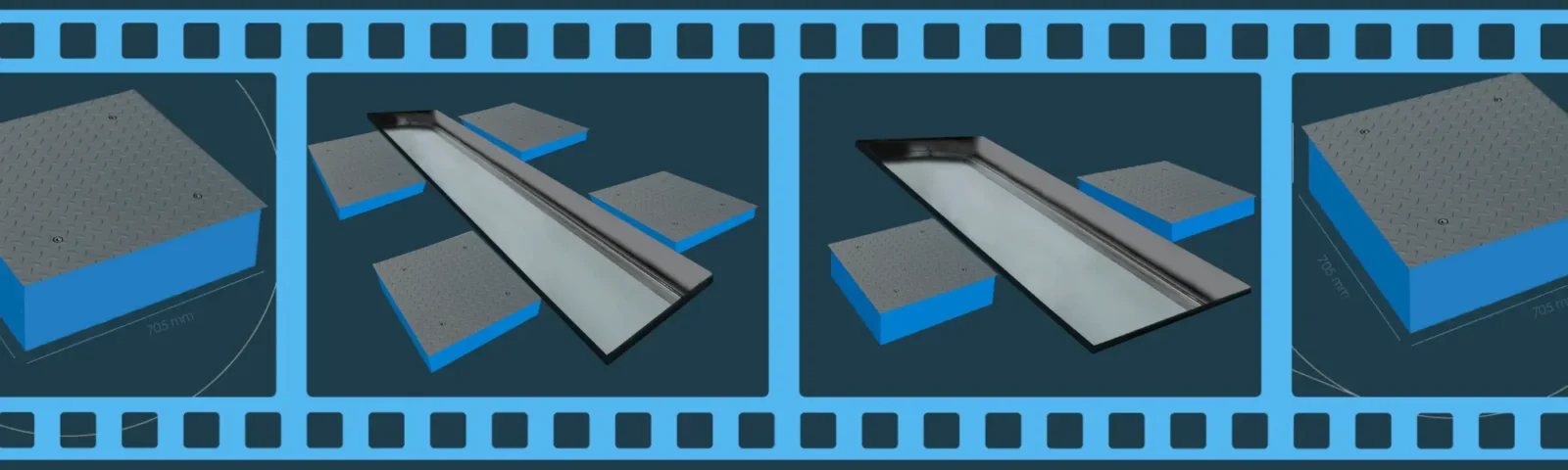
This video shows an axle play detector applying controlled movement to simulate real driving forces during inspection.
Improving Inspection Accuracy and Workshop Workflow
For workshops carrying out steering and suspension inspections regularly, axle play detectors provide a practical way to improve both diagnostic accuracy and workflow efficiency. Increased fault identification, less physical strain on technicians, and greater inspection consistency are just some of the reasons they are an important part of modern vehicle inspection and diagnostic operations.