Choosing the right truck brake tester goes beyond a simple choice between models.
An important question we like to start with is:
How do you see brake testing working within your business?
Do you need the ability to take brake-testing equipment between different locations? Or are you looking for a permanent testing solution that becomes part of your workshop workflow? Will you be carrying out CoF brake testing?
The NZ Transport Agency Waka Kotahi (NZTA) Heavy Vehicle Brake Test Protocol sets specific requirements around where and how in-ground and mobile brake testers can be used for heavy vehicle compliance and enforcement testing. Understanding those differences can help you choose a truck brake tester that suits not only your workshop, but how brake testing needs to work within your business.
Mobile or In-Ground: How You Want to Test
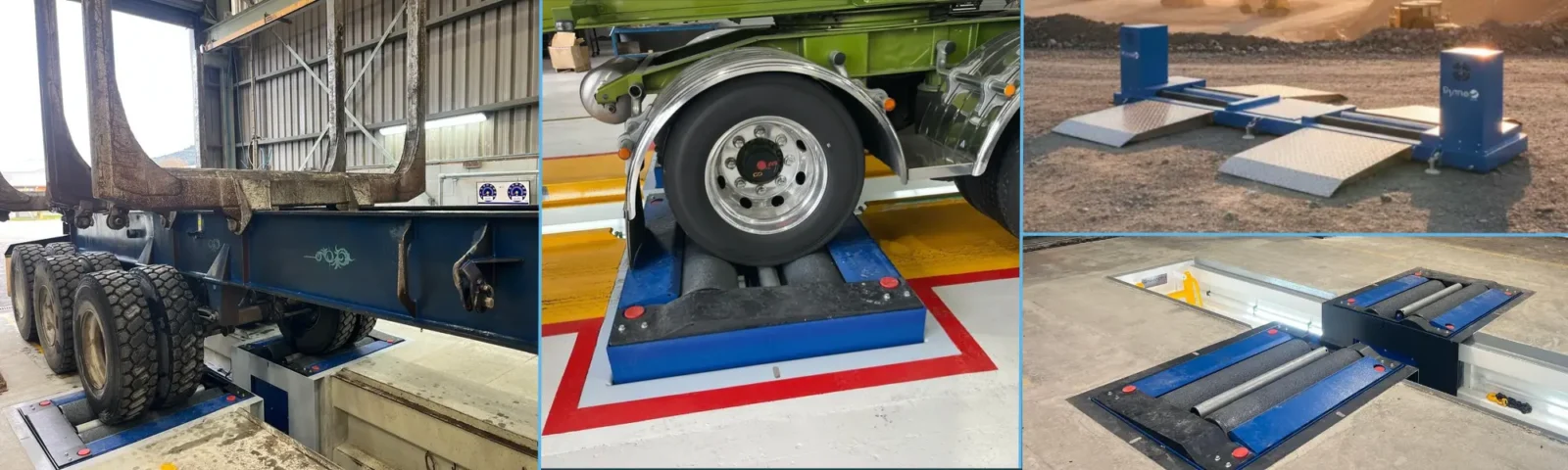
Both mobile and in-ground roller brake testers provide detailed measurements of braking performance. The biggest difference for your business is how and where you need that testing capability available.
A mobile brake tester can be transported between locations, giving your business greater flexibility over where testing takes place.
An in-ground brake tester is permanently installed and becomes part of your workshop’s testing infrastructure. For workshops carrying out regular or higher volumes of brake testing, this can provide a more streamlined day-to-day workflow.
In New Zealand, permanent in-ground installations also provide the opportunity to incorporate load simulation, an important consideration for CoF brake testing.
So before comparing specifications, consider four questions:
- Where do you need to carry out brake testing?
- How frequently will the machine be used?
- What type of brake testing will you carry out?
- Will you require load simulation?
The answers can quickly point towards the most appropriate setup.
When Does a Mobile Brake Tester Make Sense?
For businesses that need brake-testing capability at more than one location, a mobile truck brake tester can offer a significant advantage. Rather than having testing permanently tied to one workshop, the machine can be transported to another site when required.
The Ryme Worldwide FRU 9 Mobile Roller Brake Tester is designed specifically for this type of flexibility.
It can test vehicles with axle loads of up to 18 tonnes and measures brake force and performance, rolling resistance, ovality and weight. Its design allows the machine to be transported between sites and deployed without the permanent civil works associated with an in-ground installation.
The FRU 9 may suit you if:
Your testing needs aren’t tied to one permanent workshop location; you need the ability to transport the brake tester between sites; you’re carrying out applications such as roadside or fleet testing rather than establishing a permanent CoF brake-testing lane; or avoiding a permanent in-ground installation is important to your operation.
When Does an In-Ground Truck Brake Tester Make Sense?
If brake testing is going to be a permanent and regularly used part of your workshop, the priorities change.
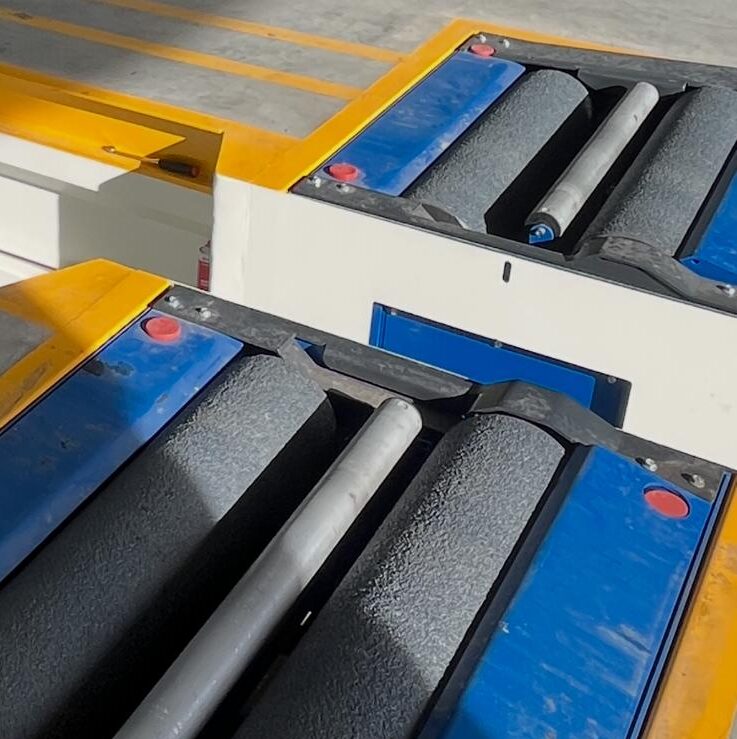
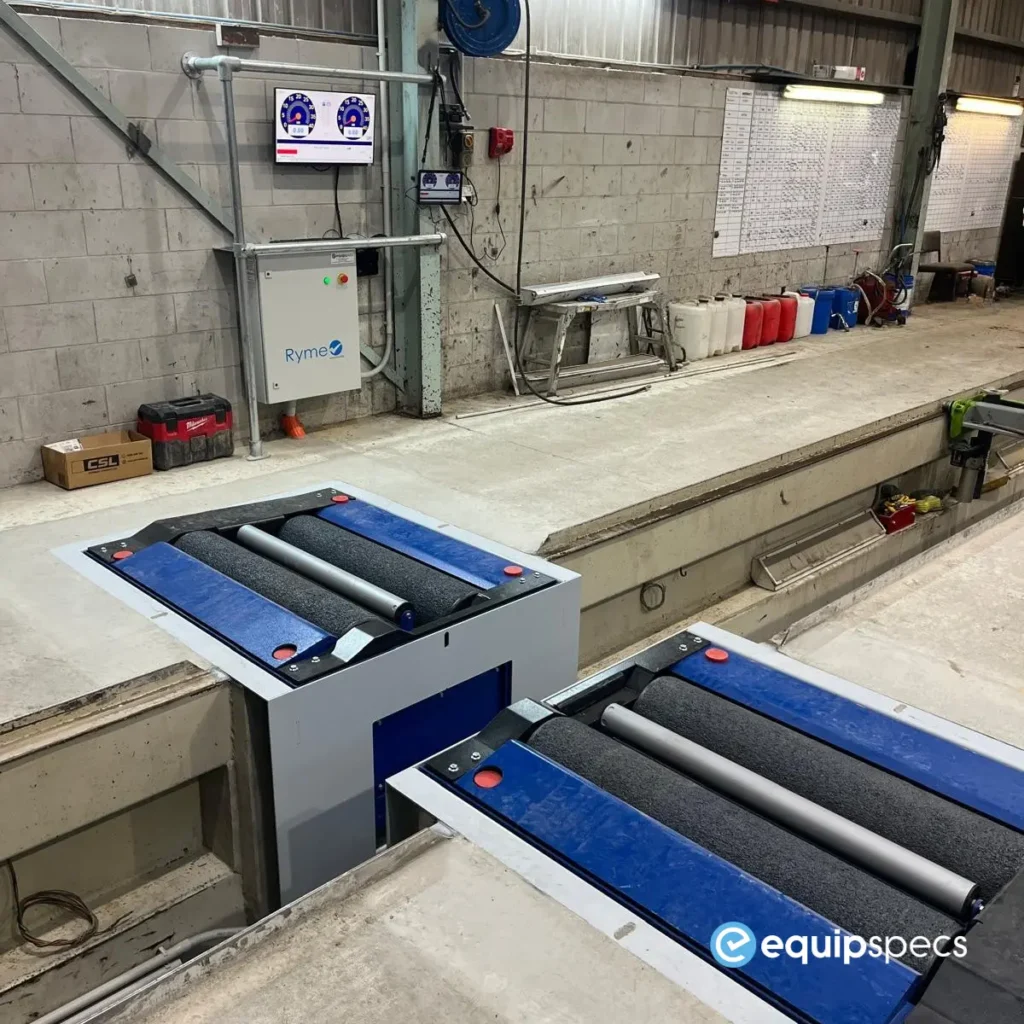
An in-ground roller brake tester is installed into the workshop floor, creating a dedicated testing area that vehicles can move through as part of the normal workshop process.
For a high-throughput operation, this makes sense: if the brake tester is being used regularly in the same place, there may be little benefit in having equipment designed to be moved.
For New Zealand heavy vehicle testing, there is another major reason to consider an in-ground installation: load simulation.
Why Is Load Simulation Important in New Zealand?
The NZ Heavy Vehicle Brake Test Protocol requires heavy vehicles undergoing a compliance brake test to be tested in a loaded state to simulate on-road conditions.
Where the vehicle is presented below the required weight, the protocol provides for additional load to be simulated using, among other methods, lifting roller-bed technology.
This is where an in-ground roller brake tester with integrated lifting-bed load simulation, such as the Ryme Worldwide FRU 4, becomes particularly relevant for a New Zealand CoF testing environment.
Ryme Worldwide FRU 4 with Load Simulation
The FRU 4 has a maximum axle load of up to 20 tonnes and measures braking force, rolling resistance and braking performance. It can also incorporate integrated lifting-bed load simulation, using hydraulic cylinders to lift the roller beds and increase the load applied through the axle during the brake test. This allows the required load to be simulated without relying solely on the vehicle being presented with sufficient physical load.
CoF Testing or Mobile Flexibility?
The type of testing you plan to carry out is an important part of choosing between a mobile and in-ground roller brake tester.
For CoF compliance testing, the NZ Heavy Vehicle Brake Test Protocol specifies an approved in-ground brake tester as the default. For businesses looking for brake-testing capability that can be transported between locations for applications such as roadside or fleet testing, a mobile brake tester such as the FRU 9 provides that flexibility.
What About Installation?
A mobile machine such as the FRU 9 avoids the permanent civil installation associated with an in-ground roller brake tester.
An in-ground machine such as the FRU 4 is a greater infrastructure commitment, but that doesn’t mean the installation process needs to become a headache for your workshop.
Whether the brake tester is being retrofitted into an existing facility or incorporated into a new workshop build, EquipSpecs can manage the process from equipment selection through to installation, commissioning and training.
For a new build in particular, planning for the brake tester early also allows the equipment to be incorporated into the overall workshop design in a way that maximises throughput and flow.
Choosing the Right Truck Brake Tester for Your NZ Operation
A roller brake tester is a long-term investment in your workshop or testing operation, so the right starting point isn’t necessarily a specification sheet.
Start with your operation.
Where will you test? How often will you test? What vehicles will you test? What type of testing will you carry out? And do you require load simulation?
From there, the choice between a mobile and in-ground truck brake tester becomes much clearer.
EquipSpecs supplies and supports Ryme Worldwide roller brake testers throughout New Zealand, including the FRU 9 Mobile Roller Brake Tester and FRU 4 Heavy Vehicle Roller Brake Tester.
We can help you work through the testing requirements, equipment selection and installation to develop a brake-testing solution that fits the way your operation actually works.
Talk to EquipSpecs about the right roller brake tester for your workshop or testing operation.