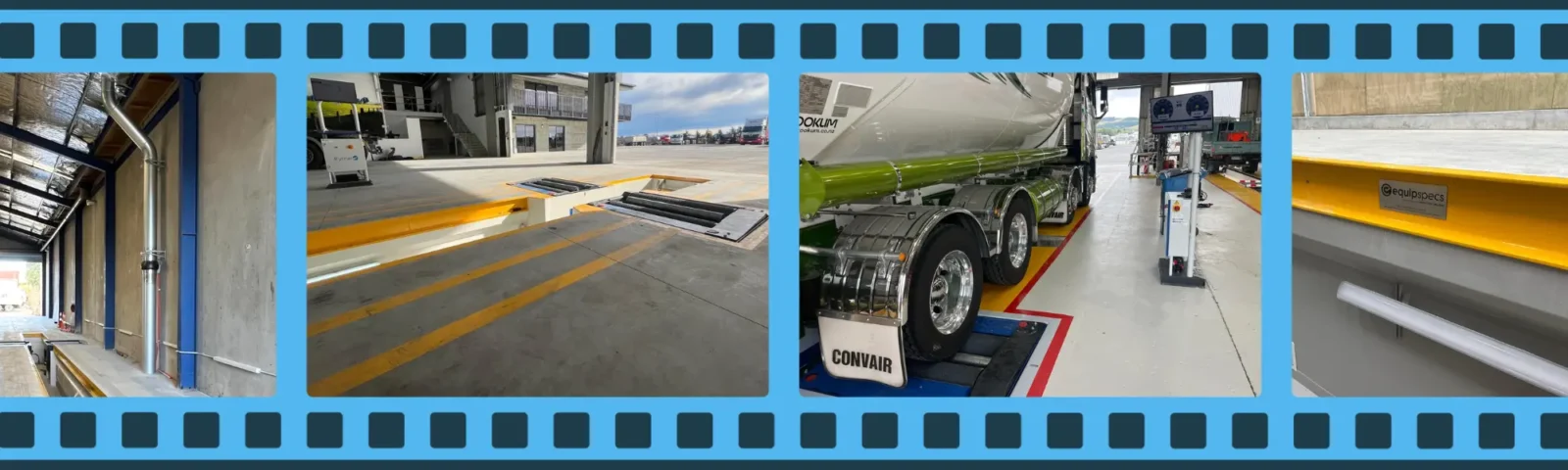
A successful workshop is not just about the equipment it contains, but how efficiently that equipment can be used. While specialist equipment such as roller brake testers, inspection pits, and ventilation systems all play an important role, it’s the way these different elements are brought together that determines the overall performance of the workshop.
At EquipSpecs, we’ve found that the most successful workshops aren’t designed around individual products. They’re designed around the people who use them, the vehicles they service, and the day-to-day workflow that keeps the business moving. From the earliest planning stages, every decision influences safety, productivity, compliance, and long-term performance.
Whether a customer is developing a new heavy-vehicle workshop, expanding an existing facility, or planning for future COF inspections, our role is to understand how the workshop needs to operate today while ensuring the design has the flexibility to support where the business may be heading tomorrow.
It Starts with Understanding the Business
Every workshop is different.
Some businesses are focused on servicing and maintaining commercial vehicles. Others are increasing workshop capacity, investing in new inspection equipment, or planning to carry out Certificate of Fitness (COF) inspections in the future. Every project has its own operational goals, challenges, and long-term ambitions.
That’s why our team begins by understanding the business. One of the first questions we ask is simple: What are you trying to achieve?
The answer shapes every stage of the project. The types of vehicles entering the workshop, expected workloads, available space, future expansion plans, and potential compliance requirements all influence the most effective layout.
These early conversations often identify opportunities that customers hadn’t previously considered, particularly where future COF compliance or workshop expansion may become part of the business’s long-term direction. By understanding these objectives from the outset, we can help design a workshop that supports both immediate operational needs and future growth.
Experience Delivers the Greatest Value at the Planning Stage
Every stage of a workshop project benefits from experience, but the planning stage provides the greatest opportunity to optimise the finished result.
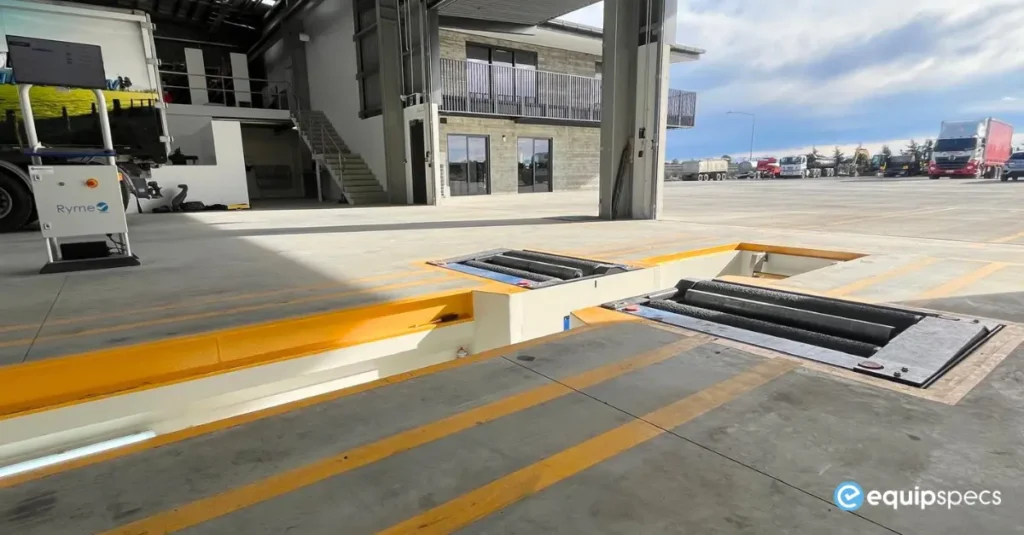
During the planning phase, our team works with customers to evaluate workshop layout, vehicle movements, operational workflow, compliance requirements, future expansion, and how each part of the workshop will work together.
Because our team has experience across inspection equipment, workshop pits, ventilation systems, and supporting infrastructure, we can consider how each element interacts with the next while there is still flexibility to optimise the overall design. Once construction is underway, many of those decisions have already been made and, while improvements are often still possible, changing the layout of an inspection pit, relocating equipment, or modifying workshop services can become considerably more complex and costly.
Considering these elements early in the project and taking the time to get the design right from the outset helps avoid unnecessary compromises later, resulting in a smoother project from concept through to installation, commissioning, and handover.
Designing for Flow, Not Just Equipment
Experience has shown us that one of the biggest differences between a workshop that simply functions and one that performs exceptionally well is flow.
“You can go round and round in circles moving the vehicle around all the time without actually getting anything done.”
An efficient workshop allows vehicles to move naturally through each stage of servicing or inspection, reducing unnecessary repositioning and making better use of technician time. By considering how vehicles, technicians, and equipment interact throughout the entire workflow, our team can help minimise unnecessary vehicle movements and create a more efficient working environment.
Rather than viewing each piece of equipment independently, we consider how inspection pits, brake testers, play detectors, technician access, lighting, ventilation, and surrounding workspace work together as part of one integrated workshop.
The result is a workshop that feels intuitive to operate, supports higher throughput, and helps technicians work more safely and efficiently every day.
Planning Beyond Today’s Requirements
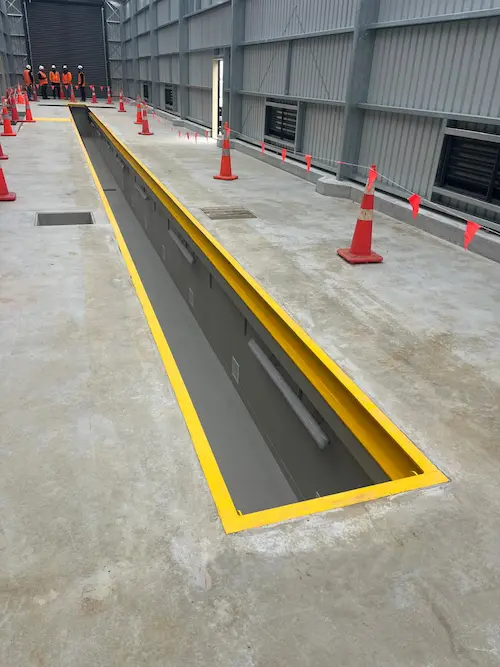
Many customers naturally focus on the project immediately in front of them. Having worked alongside workshops throughout New Zealand for many years, we’ve seen the value of planning beyond today’s operational requirements.
A workshop built primarily for servicing today may later expand into fleet inspections or become a COF inspection facility. By considering future compliance requirements during the initial design phase, we can help make that transition significantly simpler and more cost-effective.
Planning for additional testing equipment, software integration, maintenance access, future COF compliance, and changing vehicle technologies helps protect the customer’s investment while reducing the need for major alterations later.
A well-designed workshop should be capable of evolving alongside the business it supports.
Safety Is Built into the Layout
Good workshop design balances safety, efficiency, and workflow from the very beginning.
When planning a workshop, our team considers how inspection pit design, safe access, lighting, ventilation, handrails, fall protection, and vehicle movements all contribute to creating a practical and safe working environment.
By designing these elements as part of one co-ordinated solution, workshops are better equipped to support technician safety alongside efficient day-to-day operations.
Every System Should Work Together
One of the advantages of taking a complete project approach is being able to consider how every part of the workshop interacts with the next.
Inspection pits, roller brake testers, ventilation systems, play detectors, pit jacks, lighting, and supporting infrastructure each play an important role. However, their greatest value comes from being planned as part of a co-ordinated layout rather than as standalone additions.
By considering the workshop as a complete operating environment, our team can help simplify installation, reduce unnecessary redesign during construction, support smoother commissioning, and create a stronger foundation for future expansion.
Long-Term Performance Starts with Experienced Planning
One of the clearest signs of a well-designed workshop can be seen in how naturally it operates every day.
When vehicle movement is purposeful, technicians can work efficiently, workflows are streamlined, and future growth has been considered from the outset, the benefits continue long after construction is complete.
For our team, that’s the measure of a successful project. A workshop designed around operational efficiency and informed by industry experience not only supports safer day-to-day operations and higher productivity but also helps customers maximise the value of their investment for years to come.
Explore More Workshop Design Resources
Frequently Asked Questions: Designing Modern Workshops
The earlier the planning process begins, the greater the opportunity to optimise the workshop layout. Involving experienced specialists before construction starts allows workflow, inspection equipment, ventilation, compliance requirements, and future expansion to be considered together, reducing the need for costly changes later in the project.
In many cases, yes. Existing workshops can often be upgraded with inspection pits, roller brake testers, ventilation systems, and other infrastructure to support future COF inspection requirements. The best approach depends on the existing layout, available space, and long-term operational goals.
Even the highest-quality equipment cannot achieve its full potential if the workshop layout creates unnecessary vehicle movements or interrupts workflow. A well-planned layout improves efficiency, supports technician safety, and helps create a smoother inspection or servicing process.
Good workshop design considers far more than equipment selection. Vehicle movements, inspection workflows, future compliance requirements, ventilation, lighting, safe access, maintenance access, and opportunities for future expansion all contribute to creating an efficient and productive working environment.
EquipSpecs works with customers from the early planning stages through to installation, commissioning, and ongoing technical support. By considering inspection equipment, workshop pits, ventilation systems, and supporting infrastructure as part of one coordinated project, our team helps create workshop solutions designed for long-term performance.